
Finger Sprains
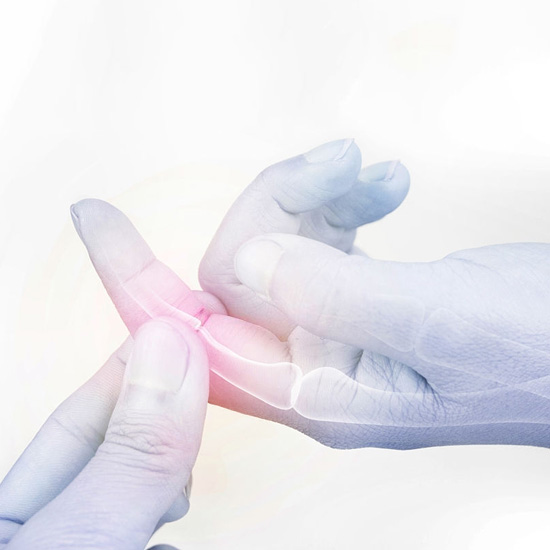
A sprained finger occurs when the soft tissues that surround and support bones and joints of the finger are injured or damaged. This injury can be very painful and cause swelling, pain and decreased movement. If not treated early, finger sprains can lead to more serious problems and deformities.
Causes
In most cases sprains are caused by a force exerted to the finger, forcing one of the joints either to bend too far or bend in the wrong direction. This results in the soft tissue around the bones and joints to stretch or tear.
Effective bodybuilding fat burners – restocheck side effects of testosterone cypionate how to get rid of low back fat bodybuilding.
These injuries often happen on the sports field, but can be caused by any other situation like falling on the hand, slamming a hand or finger in a door or even during simple activities like making a bed.
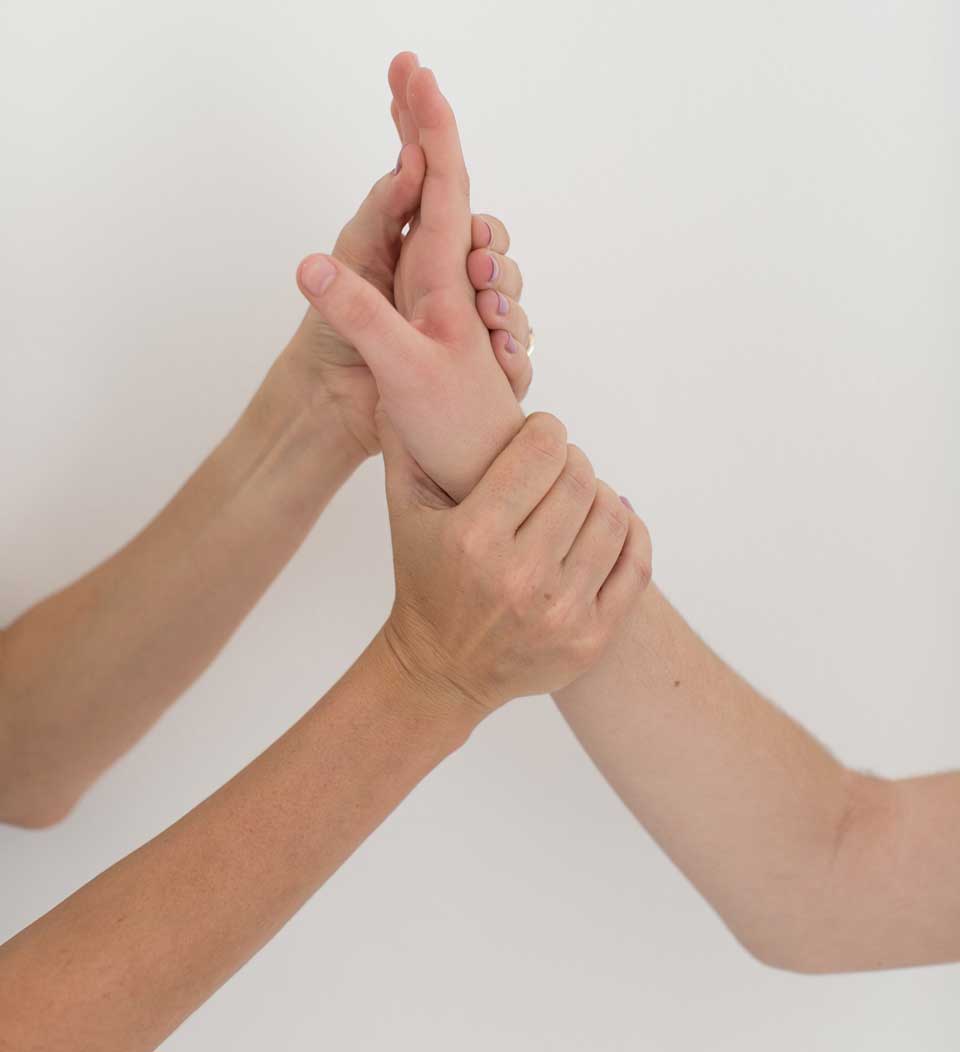

Finger or thumb sprains and ligament injuries symptoms
Symptoms of finger sprains include:
- Redness of the finger
- Pain & throbbing finger
- Finger swelling
- Increase in pain when moving the finger
- Inability to straighten or bend the finger
- Bruising
- Decreased feeling or numbness
Symptoms may vary in severity, be mild at first then get worse if not treated.
Treatment options
Conservative treatment may be indicated when there is only mild pain or functional impairment. Once the symptoms cause functional limitations and excessive pain, surgery may be required.
Conservative treatment
Most fingers sprains can be treated conservatively. For mildly sprained fingers, rest, ice, compression and elevation (RICE) of the injured finger will reduce inflammation and associated symptoms. Mild sprains can heal well without therapy, but moderate to severe sprains often need therapeutic intervention for optimal healing.
Splinting
To rest and align the injured finger, allowing for healing and preventing deformities.
Gradual exercise
Gradual exercise programs while buddy strapping the injured finger to the uninjured neighbouring finger.
Compression socks
With the aim to reduce swelling of the finger.

When a sprained finger is seen several weeks or months after the injury has occurred, and has started to form a flexion deformity (fixed bent finger) due to shortening of the ligaments around the joint, therapy is usually first indicated with the aim to reduce the deformity before surgical intervention is considered.
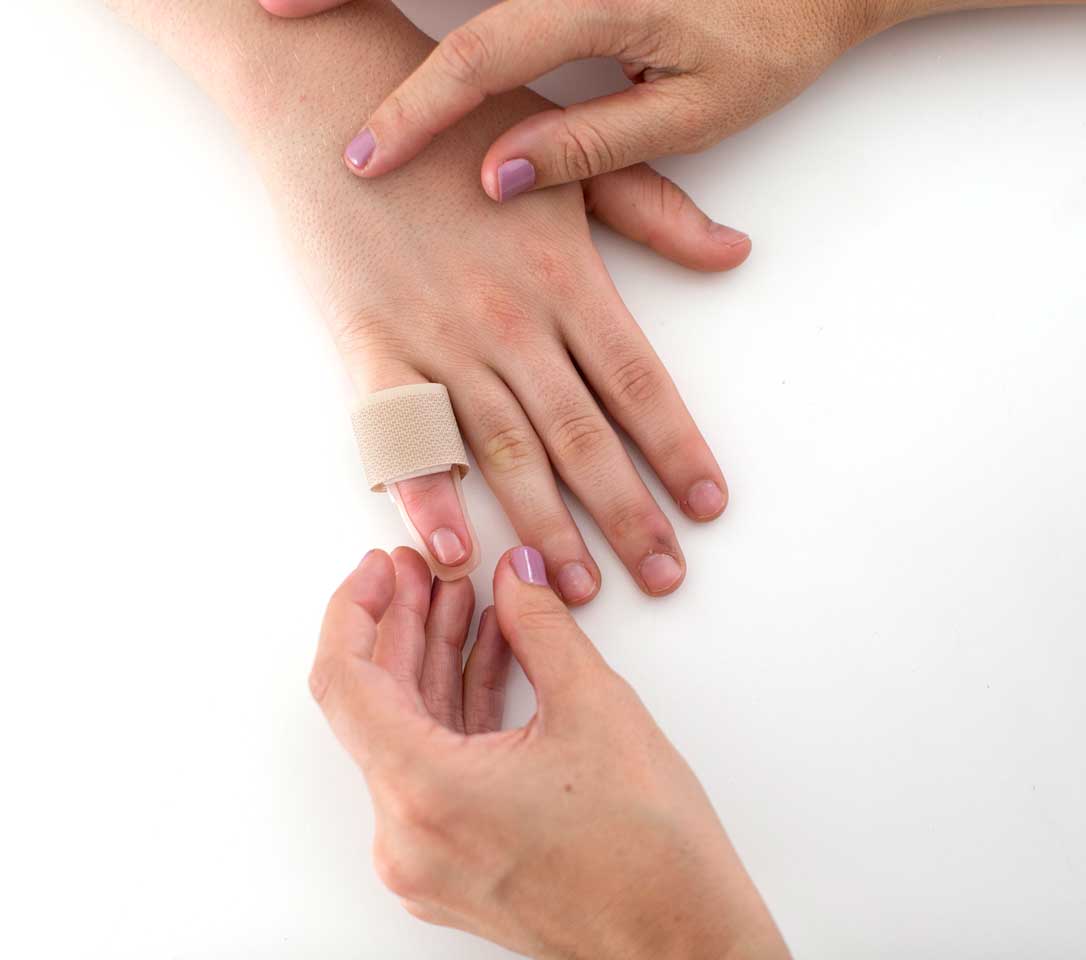
Therapy for sprained fingers with flexion deformities include
Serial casting
Our therapists will place your finger in a non-removable cast for 2 – 3 weeks, replacing the cast weekly, with the aim to reduce the deformity and improve the range of movement.
Splinting
After the initial period of serial casting is finished, a splint will be applied to maintain the position of the joint, while removing the splint for exercises 3 – 5 times per day.
Exercises
Gradual exercises will be started to improve and maintain the range of movement and improve the strength.
Surgical management
Surgical intervention for finger sprains may be necessary under the following conditions:
- Finger or thumb instability – finger or thumb deviating at the joint, indicating a collateral ligament tear
- Avulsion fracture – where a piece of bone broke off at the insertion point of the tendon or ligament.
- Complete ligament tears – if a ligament was torn off completely, surgical suturing of the tendon is necessary.
- If soft tissue structures have been surgically repaired, therapy after surgery is very important for optimal recovery of the finger. After surgery patients would typically be splinted for 2 – 4 weeks and start movement gradually. Depending on the nature of the injury and the instruction of the surgeon, the finger will gradually move more, starting with functional and strengthening programs in therapy.
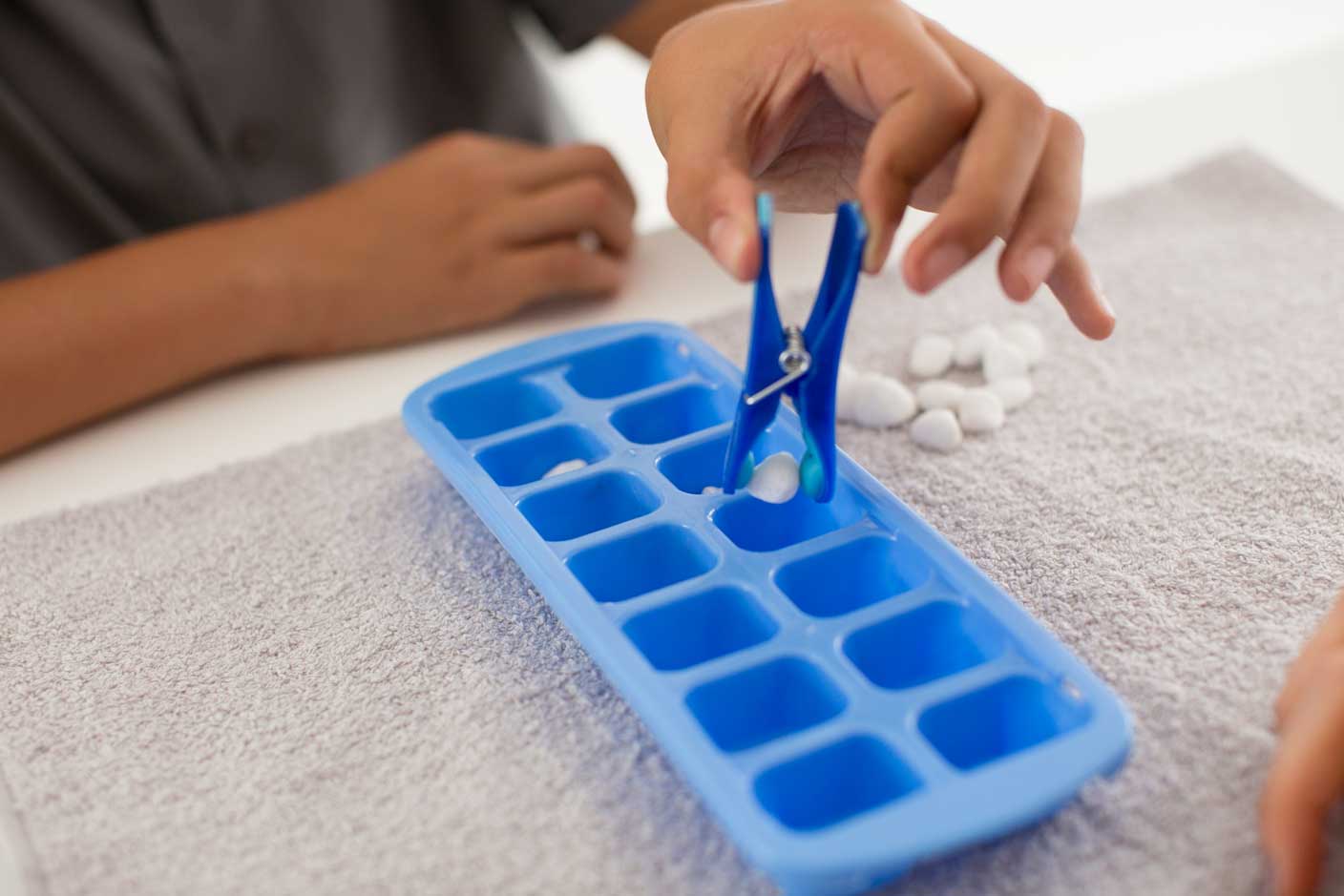
Aims of hand therapy
- Splinting to rest the finger
- Management of swelling & pain through the use of compression socks
- Gradual exercises program to prevent stiffness
- Scar tissue management
- Gradual improvement of grip strength and function
Finger sprains often initially present as a minor injury, but can result in a long-term painful finger or deformity if not treated correctly and early. Finger sprains may also often take weeks or even months to heal, but usually recover completely if treated early. It is therefore very important to seek therapeutic intervention sooner rather than later.
*The above text is for information purposes only and should not be seen as health advice. Please consult with your medical practitioner should you require health advice or medical treatment.
Follow up appointments may vary from person to person depending on tissue healing and progress made in therapy. Fingers often need to be protected during sports for a long time after injury as instability and re-dislocation can commonly occur.